Indianapolis Colts Farm Bureau Football Center
Cost $3,200,000
Size 196,000 SF
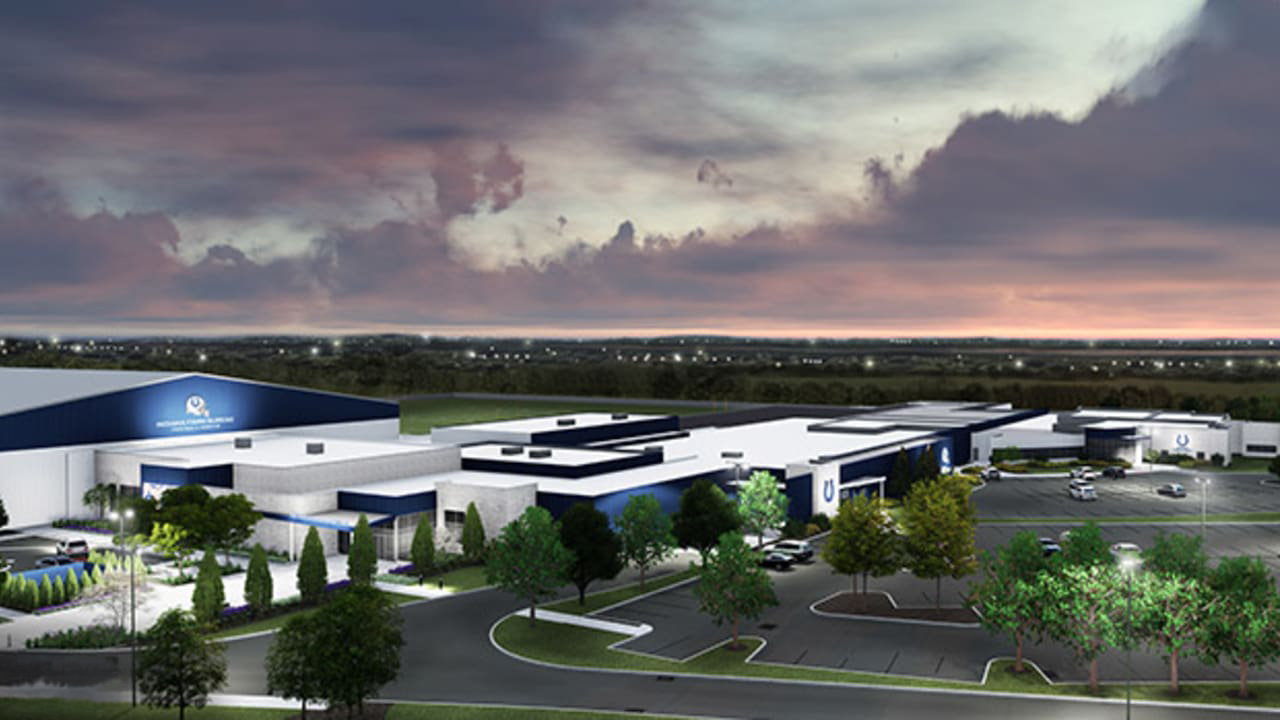
The Indianapolis Colts undertook a comprehensive facility modernization to enhance and expand the team’s daily operations. Upgrades at the Indiana Farm Bureau Football Center included a cutting-edge sports medicine and performance center designed around the latest approaches to player health and development, along with a new community pavilion and improved amenities for players, coaches, and staff.
Key enhancements included:
- A newly designed training, treatment, and rehabilitation area that added approximately 2,500 square feet of space
- An expanded weight room equipped with high-performance strength and conditioning equipment
- A football-shaped locker room, nearly 60 percent larger than the previous one, featuring upgraded lockers, showers, and restrooms
- A new hydrotherapy room with a recovery pool, as well as hot and cold plunge pools
- A doubled equipment room to improve efficiency in workspace and storage
- Renovated Football Operations spaces, including offices, meeting rooms, classrooms, and an expanded “war room”
- A newly updated kitchen, nearly triple the original size, supporting enhanced food service by team nutritionists and caterers
- A new community pavilion with views into the team’s indoor practice facility
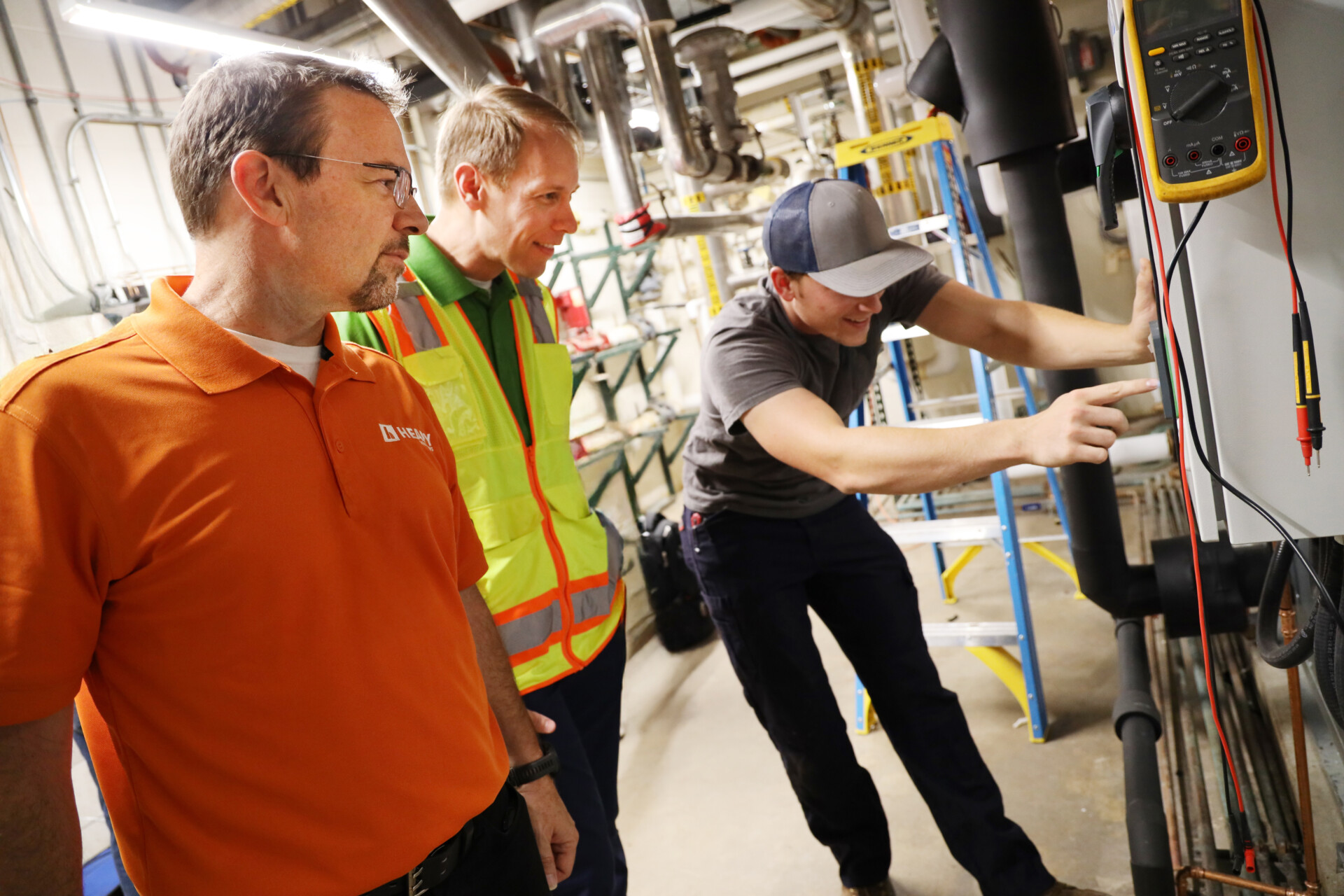
HEAPY conducted a retro-commissioning study aimed at identifying system optimization opportunities to enhance energy efficiency and improve operational performance. The assessment included a review of the building’s air handling units, air terminal units, central plant equipment, and associated digital control systems.
A comprehensive report was delivered, featuring an overview of the facility and utility data analysis, along with detailed descriptions of recommended energy-saving measures to support implementation. The report also included a conceptual financial analysis for each measure—outlining estimated first costs and projected energy savings—to assist in evaluating options for implementation, as well as suggested control sequences tailored to each proposed energy-saving strategy. It was estimated the that annual energy cost avoidance for the facility would be $18,000.