For 25 years, Matt Graham has helped shape some of HEAPY’s most complex and meaningful projects, from healthcare and veterans’ facilities to schools, media studios, and community landmarks.
Along the way, he has witnessed the evolution of engineering, sustainability, and client expectations while building a career grounded in technical excellence, collaboration, and service.
We sat down with Matt to reflect on lessons learned from hundreds of projects, the industry’s future, and the advice he would offer the next generation of engineers looking to make a lasting impact.
1.
Looking back on 25 years at HEAPY, what changes in engineering, technology, and client expectations have had the greatest impact on the way projects are delivered today?
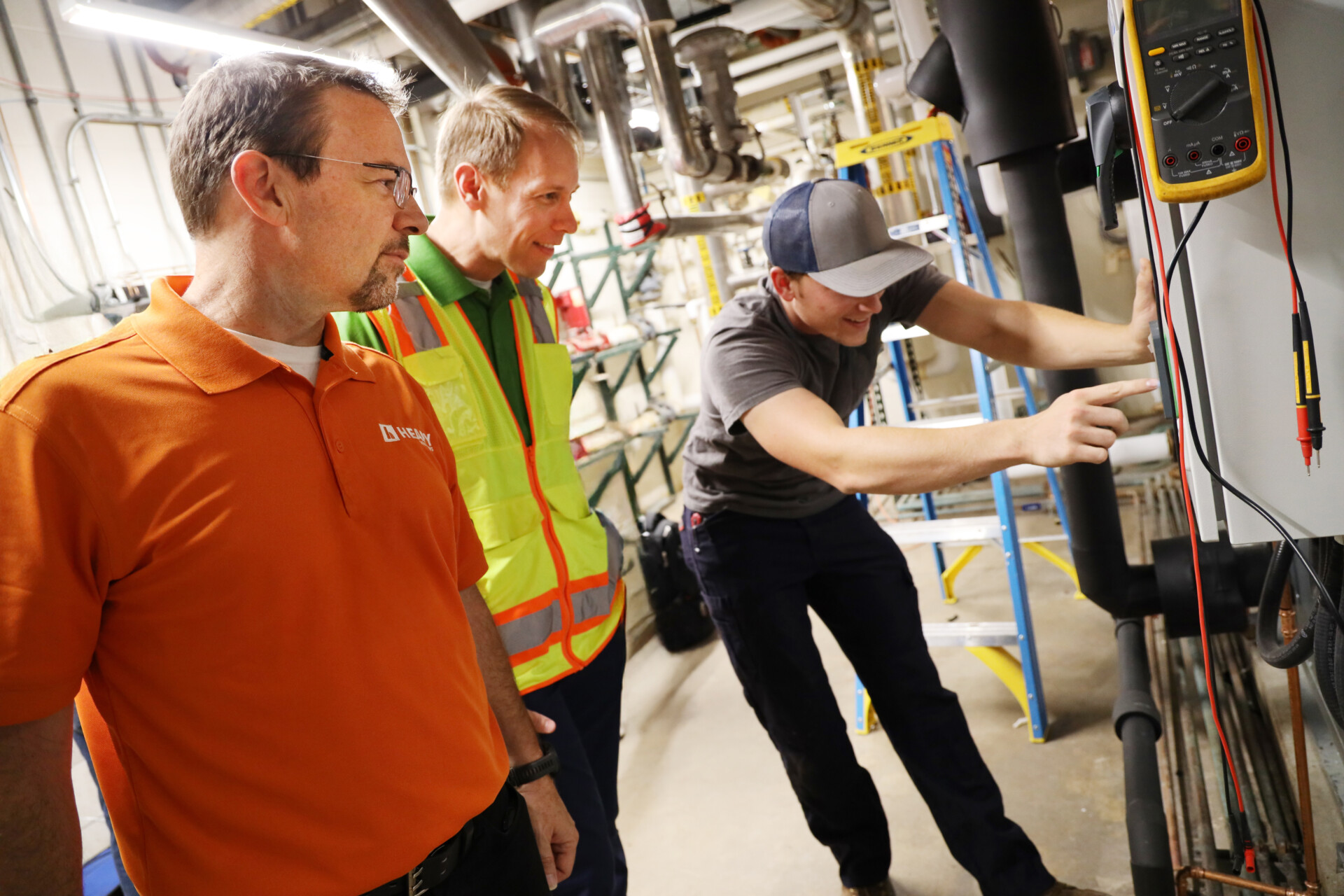
Starting out with manual drafting when I was a kid (my grandfather was a mechanical engineer and architect), then moving to AutoCAD, Revit, Matterport/laser scanning, and now AI…I have seen pretty dramatic shifts in project delivery. I think the most impactful process since Revit has been scanning. It has made our designs more efficient and accurate, saved tremendous on-site time, and minimized client interruption. I am most excited about it because it’s a strength of mine; using AI for project QCs is a strength of mine.
I love the challenge of improving our coordination and quality, and getting an automated tool to step up the product coming to my QC inbox is very intriguing. While engineers in general (me included) can sometimes have a “Change…Bad” mentality, the tools coming from our innovation lab are exciting.
2.
You’ve worked on more than 400 projects for the Department of Veterans Affairs. What have those experiences taught you about designing facilities that improve lives and support those who have served our country?
The population the VA serves differs from private-sector healthcare, and we hear they have different needs and priorities. We hear that veterans generally love their local VA. Caregivers understand what they have been through, live with now, and will face in the future. Given their funding limitations versus the massive infrastructure needs (since they maintain virtually everything themselves), we strive to provide M&O (maintenance and operations) quality products that are simple to maintain and last as long as possible. Cutting-edge technology may not be the best solution when you have 1,000,000+ square feet of a 100-year-old “small city” to keep operational.
Help facilities staff help caregivers by keeping their space ready for duty.
3.
The Milton Union K-12 project incorporated a wide range of sustainability features. How has the conversation around sustainable design evolved during your career, and where do you see it heading next?
 Milton Union was a neat project because the district was passionate about innovative, educational opportunities for sustainability, and that got the entire design team passionate about supporting their mission. We have always heard that HEAPY was a sustainability company before that became more mainstream, and I have seen that put into practice my entire career. From the first time my mentor taught me lighting calculations, we strove to provide even, energy-efficient lighting levels with flexible, simple controls. I have seen LEED-certified projects, solar PV, and wind turbines ebb and flow with the ever-changing political landscape. ERCIP projects seem to have a lot of traction right now and could help take some of the transients (pun intended) out of regional grid instability.
4.
Your portfolio spans healthcare facilities, schools, media studios, government buildings, and places of worship. How has that diversity of experience made you a better engineer and project leader?
My portfolio started when I was 7 years old, learning how to solder, build computers, and wire our house addition with my dad. Add in being a proud second-generation Eagle Scout and third-generation engineer, and I feel my destiny was set very early in life. Great mentors, hands-on learning, and a variety of projects shaped me into who I am today. I have had the privilege of designing the WHIO Cox Media Studio, prisons, jails, 1,000+ seat worship centers, performing arts centers, a mausoleum, and even a patio for Little York Bar and Grill (as a young engineer, the free pizza during planning meetings was epic). Along with many personal hobbies, the diversity of clients, projects, systems, and cities I have worked on fascinates me.
As a learner, I love trying something new, and we take great pride in knowing the “H” in HEAPY is for hard.
5.
The Cincinnati VA Community Living Center was delivered over six phases while operations continued. What leadership lessons have you learned from managing complex projects where minimizing disruption is critical?
Master plans are critical. Phase 1 of that project outlined the entire electrical system (as well as other MEPs) and provided chases, sleeves, infrastructure provisions, and spare capacity for the unknowns. As we designed and built each phase over the next 20 years, we updated the infrastructure master plan and adapted to revised Code and VA Standard changes.
Planning for what you know is coming is easy. Planning for what could change takes experience, collaboration, and sometimes a little luck!
6.
Of all the projects you’ve worked on, which one best reflects HEAPY’s ability to solve complex challenges and create meaningful outcomes for clients and communities?
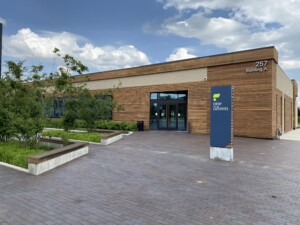 It is impossible to pick just one, but the OneFifteen project in Dayton stands out in my mind. It transformed a former gritty and grimy CNC machine shop into a high-finish-level substance abuse facility backed by Google/Verify Life Science. It provided data analytics-based healthcare solutions to ease the opioid epidemic in our community. One neat aspect was collaborating with Google on the technology infrastructure and receiving kudos from Google to our ICT department (shout out to Jim Krile on that one!).
On the other end of the spectrum, the Harold and Eugenia Thomas Comprehensive Care Center at Bethesda North was a massive undertaking: over $80M and 140,000 sf. The architect and owner set a clear direction with non-negotiable guiding principles of access to nature, dappled light, and symbols of strength for those entering the facility. Being a part of the project team to provide this healing environment with purpose was an amazing experience.
7.
Young engineers entering the profession today face a rapidly changing industry. What advice would you give someone who wants to build a successful and rewarding long-term career?
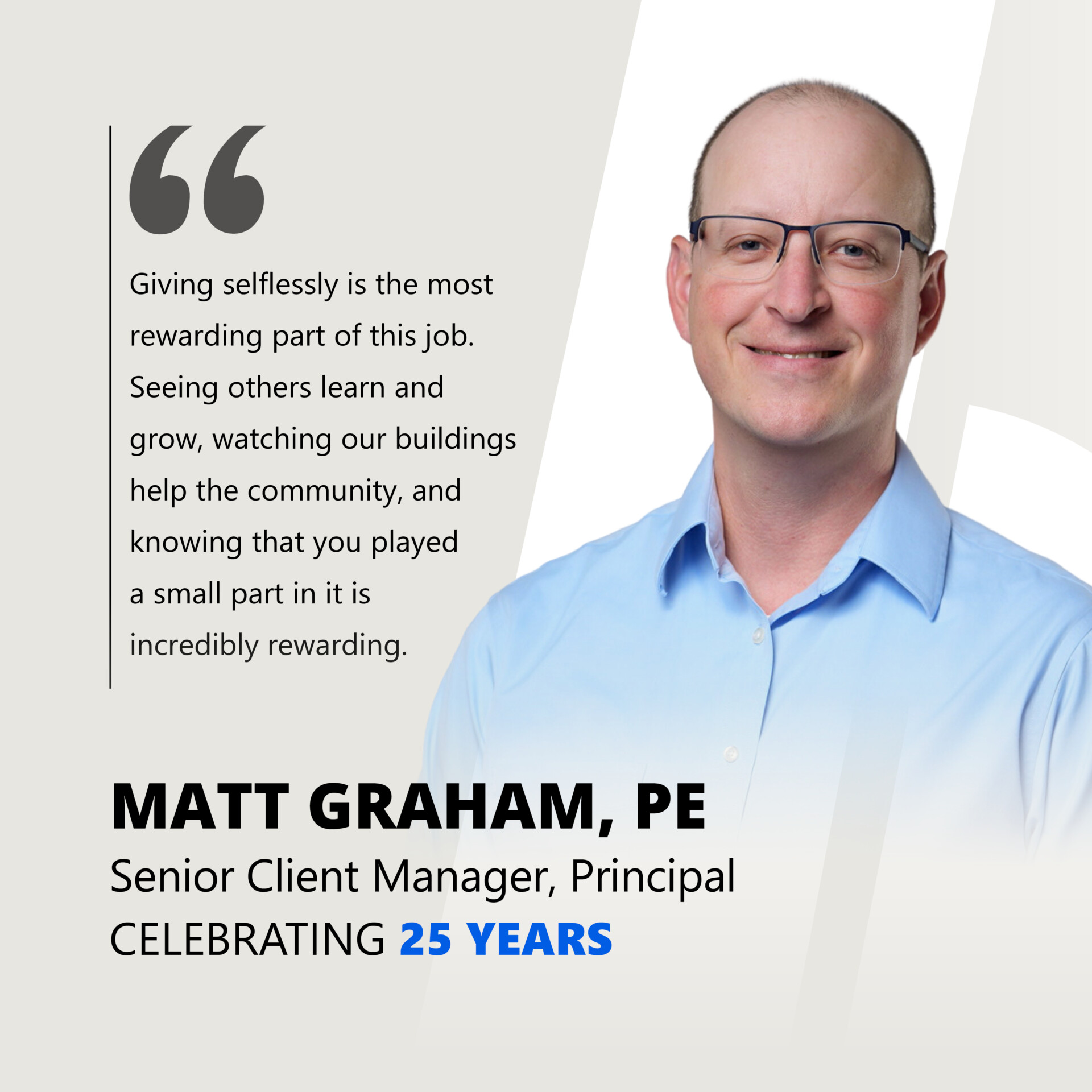
Help others. I will repeat that. Help. Others. If you show up every day, no matter where you are on the ladder, you will learn, grow, and succeed faster by focusing on being a positive, helpful force for those around you over focusing on how fast you perceive your growth relative to your peers. If you are a drafter, help the engineer execute their design to the best of your ability. If you are an engineer, help the project manager get work done accurately, on time, and under budget. If you are a project manager, help your team by clearing obstacles in their path. Giving selflessly is the most rewarding part of this job. Seeing others learn and grow, watching our buildings help the community, and knowing that you played a small part in it is incredibly rewarding.
8.
Many professionals change companies several times throughout their careers. What has made HEAPY a place where you’ve been able to grow, stay challenged, and build a 25-year career?
My colleagues, the projects, and the impact we make. My first mentor 25 years ago was…challenging, but I learned a lot of hard lessons. My second mentor, Larry Cotterman, whom I still work with today, taught me almost everything I know about electrical engineering in this industry. A former supervisor, Don Engle, was instrumental in training me how to manage and gave me autonomy to try new things. These mentors guided me through complex projects and kept me from falling too far when I made mistakes.
Seeing the projects completed and contributing a little piece of you to each project, makes the long nights and weekend work worthwhile. Paying back the mentoring I received by starting this wheel over with mentoring the next generation makes 25 years ago feel like yesterday.
9.
For engineers considering their next opportunity, what would you tell them about the people, culture, project variety, and professional growth opportunities that make HEAPY a great place to build a career?
HEAPY is what you put into it. If you show up energized, curious, helpful, and detail-oriented, your success reflects that. Our CEO and the shareholders started as co-ops (like me) and worked their way up with that mentality. So much has changed in 25 years, but most of it has aimed to improve the culture, advancement, and opportunity. Are we perfect? No. Are we always trying to improve and have fun along the way? Absolutely. Who wants to help make something 80 years in the making even better? If you want to help build on something 80 years in the making, we would love to have you.