Across the United States, the conversation around energy resilience has shifted from a technical discussion to a strategic one. Microgrids are no longer viewed as experimental or supplemental. They are becoming essential infrastructure for organizations that cannot afford operational failure. Nowhere is this shift more visible than within the Department of Defense, where installations must remain functional through prolonged outages, cyber threats, and increasingly unstable grid conditions.
This moment demands more than engineering competence. It requires a point of view about how critical facilities should operate in a future defined by uncertainty. HEAPY has embraced that responsibility. The firm’s national microgrid practice is helping shape how military installations and other mission-driven organizations think about resilience, energy independence, and long-duration operational continuity.
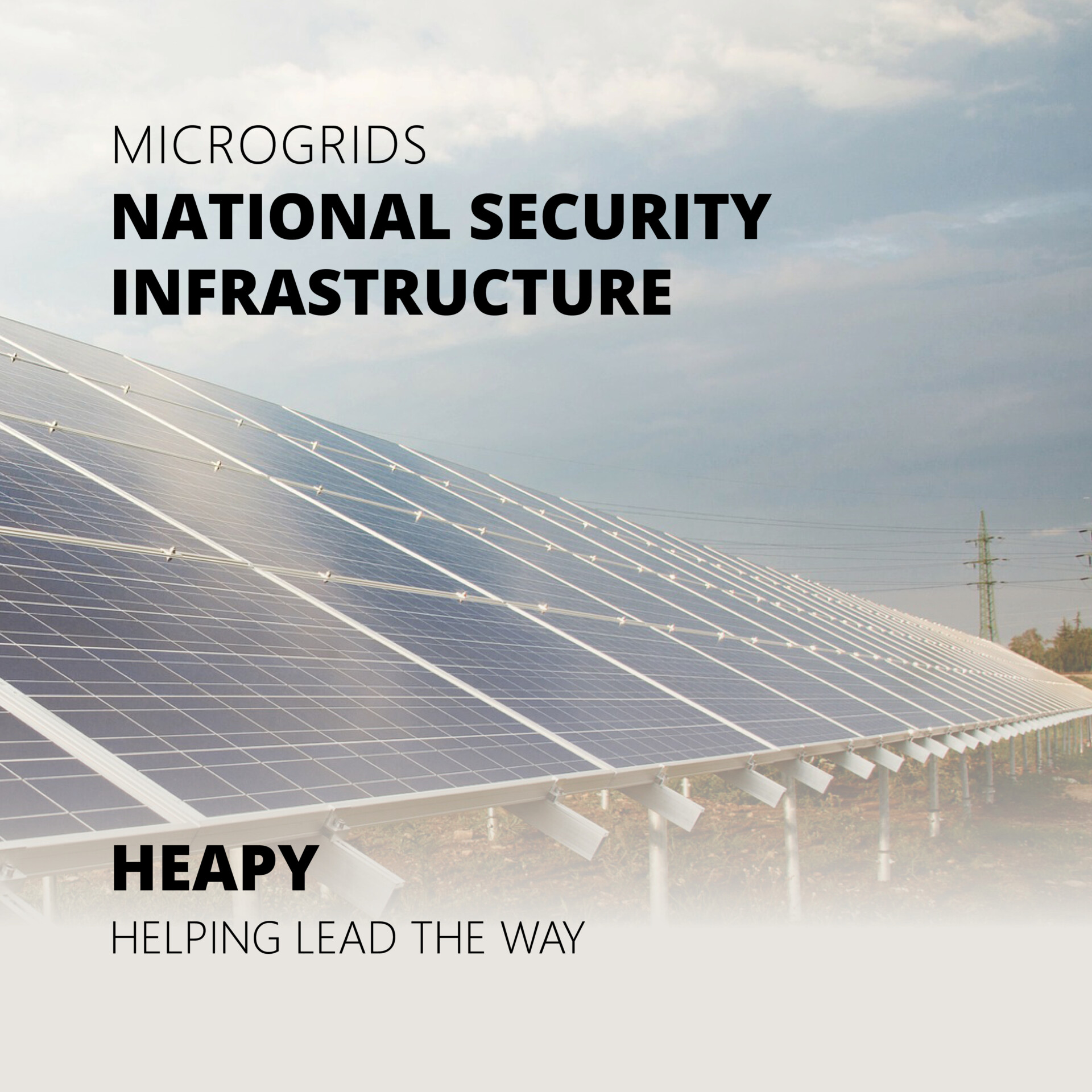
 The work underway at Camp Atterbury in Indiana illustrates this evolution. The installation is receiving a microgrid designed to sustain mobilization and force-generation operations for a minimum of 14 days without the grid. The system integrates solar generation, battery storage, natural gas generation, a redundant medium-voltage feeder, and campus-wide demand-reduction measures. What makes this project significant is not simply the scale of the assets but the philosophy behind their integration. HEAPY designed the system to operate as part of a larger energy ecosystem, capable of synchronizing with the existing utility-owned microgrid while maintaining the ability to island independently. This dual capability reflects a new standard for military resilience, one that recognizes the need for both collaboration and autonomy in a rapidly changing energy landscape.
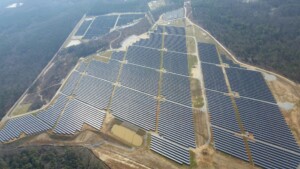
A similar shift is taking place at the Springfield Army Reserve Center in Ohio. The microgrid being designed for this facility is intentionally behind the meter and fully independent of grid interaction. It is engineered to maintain mission capability during extended outages while also serving as an operational tool during normal conditions. The system will support peak shaving, reduce long-term operating costs, and enable near-net-zero performance. This reflects a broader trend in microgrid development. Resilience and economic performance are no longer competing priorities. They are becoming mutually reinforcing outcomes of thoughtful system design.
These projects are part of a larger national pattern. Organizations across sectors are recognizing that resilience is not a luxury. It is a strategic requirement. Long-duration islanding is becoming the expectation rather than the exception. Cybersecurity is now inseparable from energy engineering. And microgrids must be designed to integrate with existing systems rather than replace them. HEAPY’s work embodies these principles and demonstrates how they can be applied at scale.
The firm’s national brand has grown not only because of the projects it delivers but because of the perspective it brings to them. HEAPY approaches microgrids as long-term infrastructure investments that must perform under stress, adapt to changing conditions, and support the core mission of the organizations they serve. This mindset resonates with federal agencies, higher education institutions, healthcare systems, and commercial campuses seeking clarity in a complex, rapidly evolving energy environment.
As more organizations confront the realities of grid instability, climate risk, and operational vulnerability, the question is no longer whether microgrids are necessary; it is how to deploy them. The question is how to design them to deliver both resilience and value. HEAPY is helping lead that conversation.
If your organization is beginning to define its resilience posture, this is the moment to engage with experts who understand both the technical and strategic dimensions of microgrid design. Connect directly with Craig Rohren to explore how HEAPY can help you build an energy system that supports your mission when it matters most.